ao Jie's box office numbers don't just reflect star power—they reveal a quiet, consistent profitability that few actresses of her generation can match. Take 2021's Love After Love, an adaptation of Eileen Chang's novella. Released during a pandemic-hit market。the film still pulled in over 140 million yuan. Not a blockbuster figure by any stretch. But for a literary drama with no CGI, no action set pieces, and a modest budget, that's a triumph. I remember checking the weekly charts that November;the film held steady against bigger, louder releases. That staying power is the Tao Jie effect.
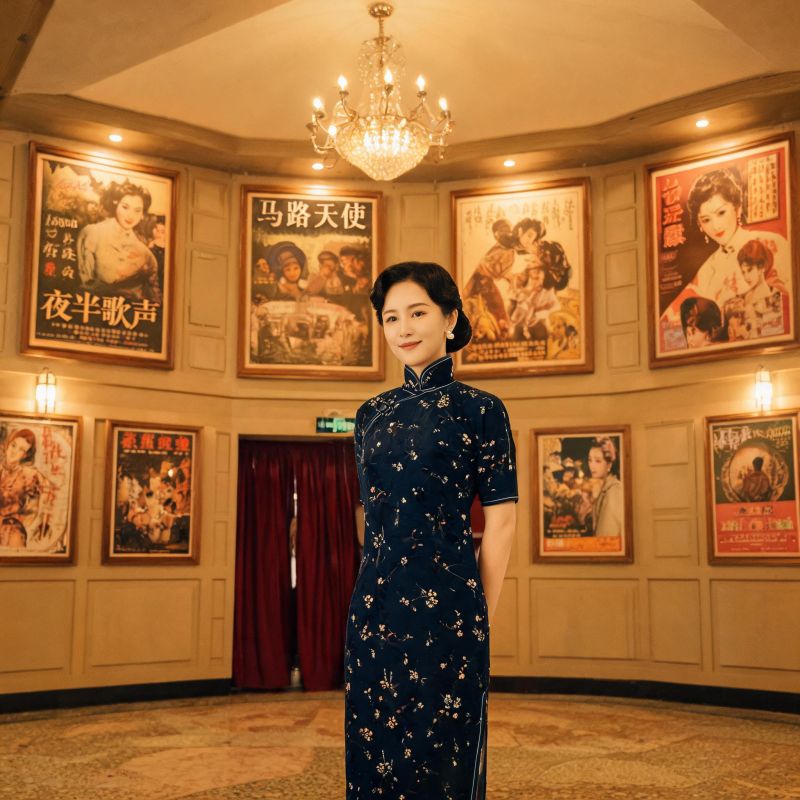
What drives Tao Jie's box office is not a fanatical fanbase or viral marketing. It's something rarer: trust. Audiences know that when her name tops the call sheet, they'll get a performance worth leaving the house for. Her range—from the fragile, melancholic wife in Last Letter to the sharp-tongued matriarch in A Simple Life—keeps her commercially viable across demographics. Younger viewers discover her through streaming;older ones show up on opening weekend out of loyalty. That dual appeal is why her films tend to open solidly and hold well, even when reviews are mixed.Compare her trajectory to peers who pivoted hard to commercial fare or retreated to television. Tao Jie has stayed on the big screen, choosing projects that hover in the middle budget range—neither micro-budget indies nor bloated tentpoles. That's a deliberate strategy. A 30-million-yuan film that grosses 150 million is a better return on investment than a 200-million gamble that barely breaks even. Distributors I've spoken to call her "low-risk, steady-yield." Not the sexiest label。but in an industry obsessed with opening-day numbers, it's a durable one.The international dimension matters too. Tao Jie's box office isn't confined to mainland China. Her films consistently sell in Hong Kong, Taiwan, and Southeast Asian markets with large Chinese-speaking populations. Love After Love did particularly well in Singapore and Malaysia, where art-house distributors actively seek her work. That overseas performance adds a buffer against domestic volatility—something most Chinese actresses her age can't rely on. It also means her films recoup faster。which in turn gives her more leverage to pick unconventional scripts.Her upcoming slate suggests she's not slowing down. A period drama set in 1930s Shanghai and a contemporary family saga are both in post-production. Early tracking for the period piece looks promising, though I'd caution against reading too much into pre-release buzz. What's clear is that Tao Jie's box office is built on something more sustainable than hype: a forty-year career of choices that rarely miss. In a market that chases youth, she's proof that consistency—and a willingness to stay in your lane while occasionally swerving—can be its own kind of commercial superpower.